


Do you experience tooth pain when eating? Do you notice your gums bleeding when brushing? These symptoms indicate that your teeth are facing health issues.
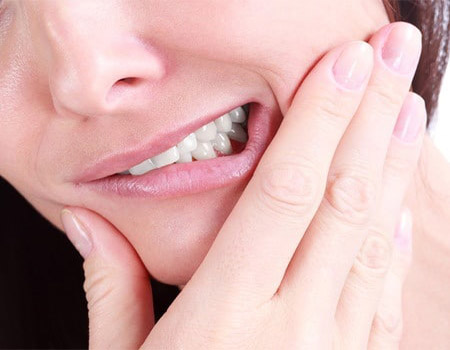
Our mouths constantly exist in an environment with bacteria. If the bacteria on our teeth aren’t cleaned away promptly, they accumulate on the tooth surface, forming a layer of dental plaque.
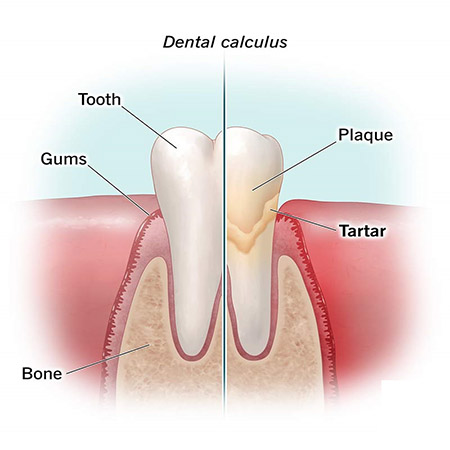
The bacteria in plaque break down sugars from food, producing large amounts of acid. This acid dissolves and washes away minerals (calcium, phosphorus) from the tooth’s hard tissue (enamel) – a process called “demineralization.” If this process continues over time (often months or even years), the tooth’s hard tissue is continuously destroyed, eventually forming a cavity, which then leads to toothache. Once a cavity forms, it cannot heal on its own. If the cavity becomes too large, causing most of the tooth crown (the part above the gum) to be destroyed, it can no longer be fixed with a filling and must be extracted.

Simultaneously, bacteria in plaque metabolize sugars from food debris, producing harmful toxins. These toxins directly irritate and damage gum tissue, causing gingivitis. This results in red, swollen gums that bleed easily (e.g., during brushing). Gingivitis is reversible and can be cured through effective oral hygiene and professional cleaning (scaling). However, if gingivitis remains uncontrolled for a long time, the inflammation spreads deeper, forming a pathological space between the gum and tooth called a “periodontal pocket.” The periodontal pocket provides an ideal anaerobic environment for bacteria, allowing them to thrive deeper. Gradually, the ulcerated lining of the pocket and the toxins destroy the ligaments connecting the tooth to the alveolar bone, causing the gum to separate from the root surface. This condition is periodontitis. It’s important to note that the damage from periodontitis is irreversible. Periodontitis can further lead to alveolar bone resorption, meaning the teeth will soon become loose and fall out.
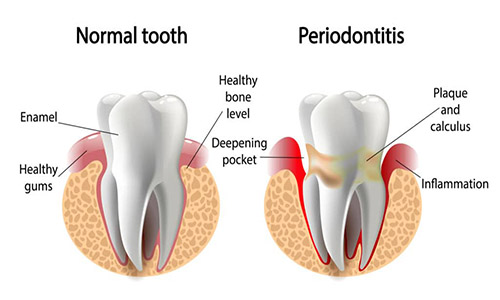
In summary: Plaque buildup → Breaks down food sugars producing acid and toxins → Causes tooth demineralization and gingivitis (reversible) → Continued damage leads to cavities and periodontal pockets (irreversible) → Results in necessary tooth extraction or tooth loss.

Therefore, the key to maintaining healthy teeth lies in the “reversible stage” – promptly removing dental plaque. Brushing and flossing (at least once in the morning and once at night) effectively remove plaque. Plaque and food debris between teeth are hard to remove by brushing alone; this is where floss becomes an essential tool. Sugary foods provide the raw material for plaque to damage teeth, so rinsing your mouth after eating sweets significantly reduces sugar residue. Additionally, if stubborn tartar and plaque trouble you, regular visits to a professional dental clinic for cleanings are necessary.


Cultivate these three habits: brush and floss morning and night, rinse after consuming sweets, and get regular professional dental cleanings. This way, you’ll maintain a set of healthy teeth to enjoy delicious food and bright smiles.



4 thoughts on “Three Habits to Keep Your Teeth Healthy”
A really good blog and me back again.
welcome
每天都在战争,希望2026和平.
wish for world peace